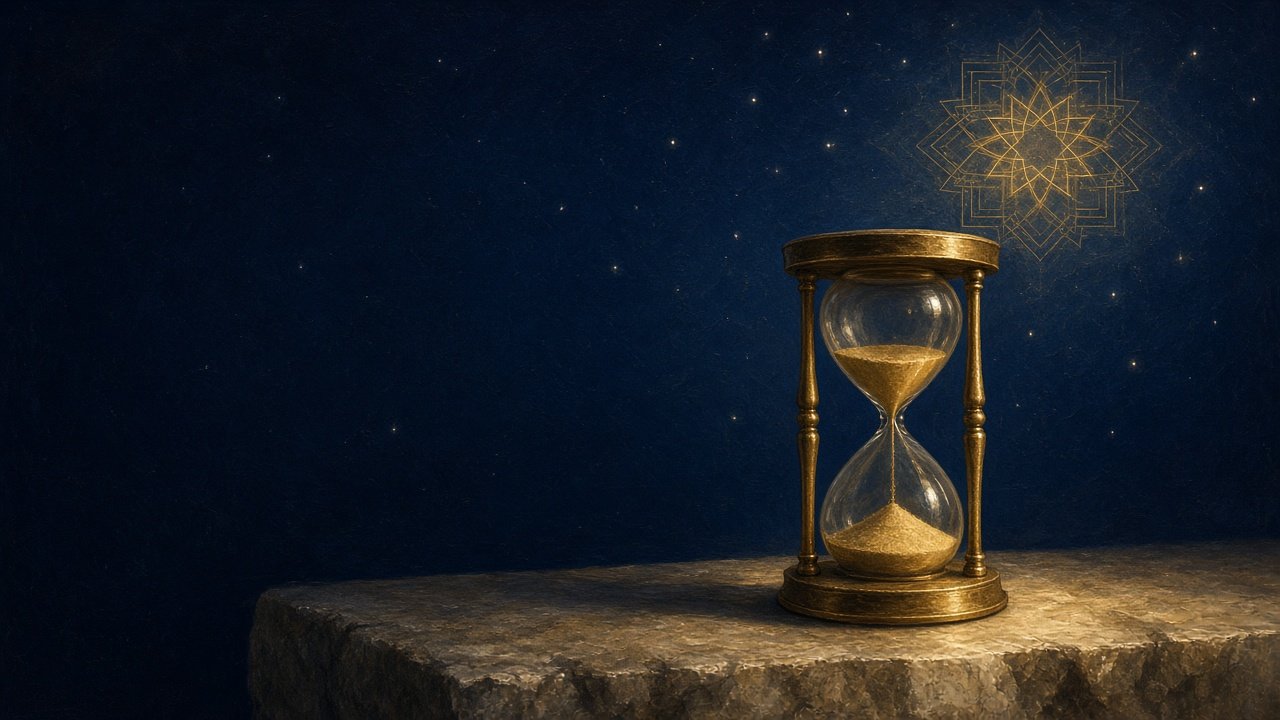
Ashrat al-Sa’ah — the signs of the Hour — are matters the Prophet ﷺ mentioned in connection with the approach of the Last Day. This hub gathers our series on that theme: calmly written, fully referenced, and closed to date-setting.
Note
This page is general educational content and not a religious ruling. Please consult a qualified scholar for guidance on specific practices.
Quick answer
Short answer: Only Allah knows when the Hour comes (Qur’an 7:187). When the Prophet ﷺ was asked about it, he said the one asked knew no more than the one asking (Sahih Muslim 8). This series uses the Qur’an and hadith from Sahih al-Bukhari and Sahih Muslim only, gives full references, and sets no dates. The aim is preparation of the heart, not prediction.
What this series is
The signs are reminders, not a calendar. Scholars commonly group them into lesser signs, which appear over a long period, and major signs, which come close to the Hour itself. We do not match them to headlines, name a year, or rank living people into end-time roles.
يَسْأَلُونَكَ عَنِ السَّاعَةِ أَيَّانَ مُرْسَاهَا ۖ قُلْ إِنَّمَا عِلْمُهَا عِنْدَ رَبِّي ۖ لَا يُجَلِّيهَا لِوَقْتِهَا إِلَّا هُوَ ۚ ثَقُلَتْ فِي السَّمَاوَاتِ وَالْأَرْضِ ۚ لَا تَأْتِيكُمْ إِلَّا بَغْتَةً
In meaning (first part of the verse): they ask you when the Hour will be fixed. Say: knowledge of it rests with my Lord alone, and He alone will bring it to light at its appointed time. It weighs heavily on the heavens and the earth, and it will reach you only without warning (Qur’an 7:187).
مَا الْمَسْئُولُ عَنْهَا بِأَعْلَمَ مِنَ السَّائِلِ
In the well-known report of Jibril (Gabriel), narrated by Umar ibn al-Khattab, Jibril asked the Prophet ﷺ to tell him about the Hour. The Prophet ﷺ replied that the one being asked knew no more about it than the one asking. Jibril then asked about its signs (Sahih Muslim 8. Grade: Sahih, as the collection states).
Our sourcing rules
House rules for this hub
- Qur’an with “In meaning” renderings and a link to the verse.
- Hadith from Sahih al-Bukhari and Sahih Muslim only, with the collection and number shown.
- No weak narrations used to teach a point here.
- No dates, countdowns or politics.
- Images show no people and no sacred figures.
How to read the series
- Begin with Part 1 — it states the limit on knowing the Hour.
- Read each part for the text and the reference, not for a private timeline.
- When a later part is marked “Coming soon”, wait for the live article; we do not link empty URLs.
- For personal questions of belief or practice, ask a qualified scholar.
Series index
Introduction and minor signs
| Part | Title | Status |
|---|---|---|
| 1 | Only Allah Knows When the Hour Comes | Live — Qur’an and sahih hadith on leaving the Hour’s time to Allah |
| 2 | The Prophet’s coming as a sign of the Hour | Live — Sahih al-Bukhari 6504 on his coming as a sign of the Hour |
| 3 | The signs in the hadith of Jibril | Coming soon |
| 4 | Knowledge lifted and ignorance spreading | Coming soon |
| 5 | Trust lost and authority given to the unfit | Coming soon |
| 6 | Time contracting, fewer good deeds, and trials | Coming soon |
Major signs · Trumpet and preparation
Further parts (major signs; the trumpet; preparation of the heart) will be listed here as they go live. Until then they stay unlinked.
Related reading on this site
- What is Sufism in Islam? — wider frame for inward work without spectacle.
- Muraqaba: watchfulness — living aware that God sees you.
- Fear and hope (khawf and raja) — balance without despair or delusion.
Sources
Qur’an references open on Quran.com. Hadith references open on Sunnah.com. Part 1 of the series: Only Allah Knows When the Hour Comes.
This page is general educational content and not a religious ruling. Please consult a qualified scholar for guidance on specific practices.