By Dr. Malik Sherjeel Awan, PsyD · Last checked 26 November 2026
Published by Dr. Malik Sherjeel Awan, Makkah
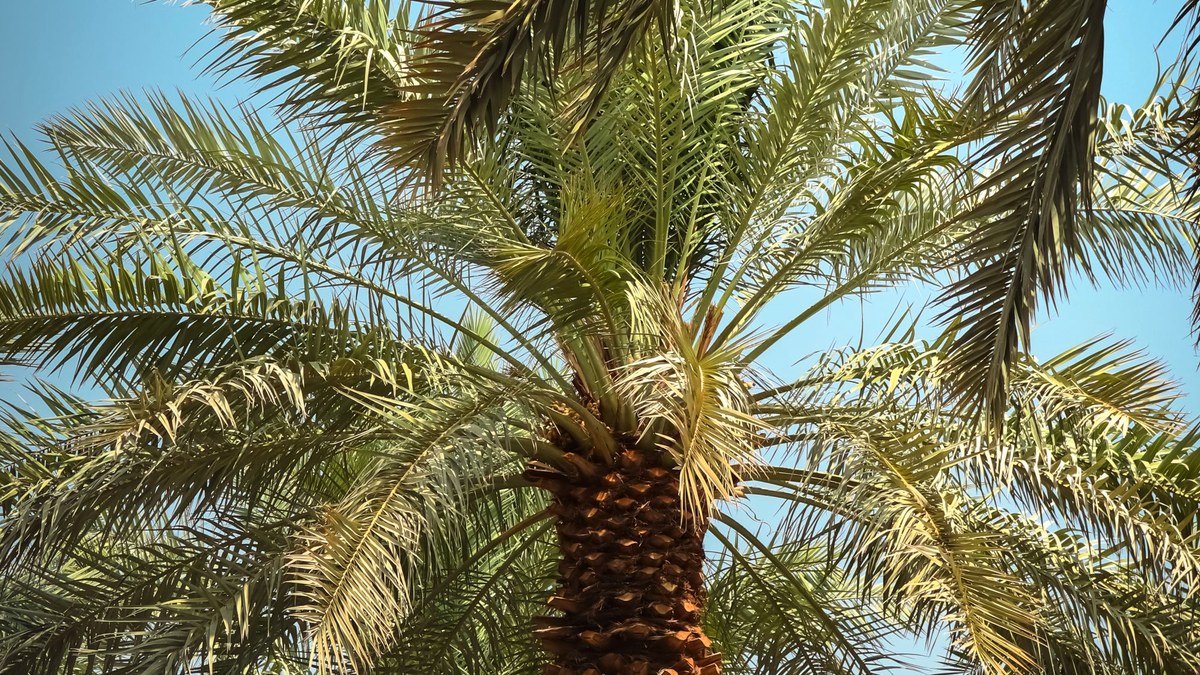
Al-Ahsa, in the eastern Arabian Peninsula, is not a single monument behind a ticket gate. UNESCO inscribed it in 2018 as Al-Ahsa Oasis, an Evolving Cultural Landscape: gardens, canals, springs, wells, a drainage lake, historical buildings, urban fabric and archaeological sites. The official listing calls it the largest oasis in the world, with 2.5 million date palms, and a unique geocultural landscape. This guide stays with that official text and with practical visitor sense. It is not a farm tour booking, and it is not a religious guide.
See also our guides to Hegra in AlUla and Historic Jeddah (Al-Balad), and UNESCO’s list of World Heritage properties in Saudi Arabia.
What UNESCO includes
The official UNESCO entry describes a serial property (more than one component) representing traces of continued human settlement in the Gulf region from the Neolithic to the present. Those traces, it says, can be seen in historic fortresses, mosques, wells, canals and other water-management systems.
Official figures on the same listing:
- date of inscription: 2018
- property area: 8,544 hectares
- buffer zone: 21,556 hectares
That is a landscape on a different scale from a single citadel or a tomb field. A visitor who “does Al-Ahsa in an hour” will mostly see a street and a few palms. A more honest plan is to choose one or two official visitor points (a fortress, a spring, a museum or an official garden walk) and to leave the rest of the oasis as a working landscape, not as a shortcut.
Mosques and historic buildings are part of the official description of the property. If you enter a mosque, follow the posted rules of that place. This article does not add a rite or a recommended prayer.
A sign to reflect on
The Qur’an, in a general passage about rain, drink, foliage and fruit, including palm trees (16:10-11), says, “Indeed in that is a sign for a people who give thought” (16:11, Sahih International). That verse is not a caption for Al-Ahsa, and this article does not treat it as one. It is a way to walk through a living oasis with gratitude, and to remember that a landscape of water and palms has long been received, in the Qur’an, as something to reflect on.
Water, palms and a living landscape
The heart of the listing is water management: canals, springs, wells and a drainage lake, supporting a vast date-palm culture. UNESCO calls the oasis an exceptional example of human interaction with the environment. For a visitor, that means you are walking through a place that is still in use, not only through ruins.
Practical respect follows from that:
- stay on official paths and public roads; do not walk into a private garden or a farm row
- do not pick dates or other crops unless you are in a place that officially sells them
- do not wade into irrigation channels or fenced springs
- take photographs from public viewpoints; ask before photographing people at work
- carry water, shade and a realistic idea of how far you will walk
If you want to buy dates, use a clearly identified shop or official market, and keep a receipt. This site does not rank date shops and does not claim a harvest calendar for your week.
Conservation of the oasis, in the official management notes, includes landscape, architecture, archaeology and the role of the local community, and it mentions biodiversity as part of the heritage. The visitor’s part is small and clear: do not damage palms, channels or historic masonry, and do not leave rubbish in a garden.
Planning a visit
Al-Ahsa is in the Eastern Province. How you reach it, whether by air or overland, should be checked on official transport and airport pages for your date. This article does not invent transfer times.
Because the property is serial and very large, an official visitor centre, museum or municipality page, if one is open, is the right place to pick a first stop. Look for official maps rather than an unofficial “hidden oasis” list. If a fortress or museum issues tickets, buy them through official counters and read the day’s hours there. No timetable is quoted here, because none was verified on an official public schedule on 26 November 2026.
Heat and humidity can be demanding, especially in the middle of the day. Official weather services are the source for that, not a memory of last year. Plan walking in the cooler hours if you can, and do not treat a canal bank as a swimming place.
If you are combining Al-Ahsa with other Eastern Province stops, keep the oasis as its own half-day or day. A cultural landscape of more than 8,000 hectares will not be “finished.”
FAQ
Is it really the largest oasis in the world?
That is the wording of the official UNESCO description, which also gives the figure of 2.5 million date palms.
Can I walk anywhere among the palms?
No. Much of the landscape is working and, in many places, private. Use official paths and public areas.
Does this article list the forts and springs by name?
No. The official listing refers to historic fortresses, springs and canals as a class of remains. Use official local maps and signs for names and access.
Are hours and fees included?
No. Check official visitor pages for your date.
Related reading
General visitor information only. Official UNESCO and official local visitor pages take priority. This is not a booking service and not a religious ruling.
Sources
- UNESCO World Heritage Centre, Al-Ahsa Oasis, an Evolving Cultural Landscape, inscribed 2018, opened 26 November 2026: https://whc.unesco.org/en/list/1563/
- UNESCO list of World Heritage properties in Saudi Arabia, opened 26 November 2026: https://whc.unesco.org/en/statesparties/sa/
- Qur’an 16:10-11, Sahih International, checked 26 November 2026: https://quran.com/16/10-11