Blog
-

The Story of Ka’b ibn Malik: How Telling the Truth Saved Him
The authentic story of Ka’b ibn Malik, who stayed behind from Tabuk and refused to lie, with Sahih al-Bukhari 4418,…
-
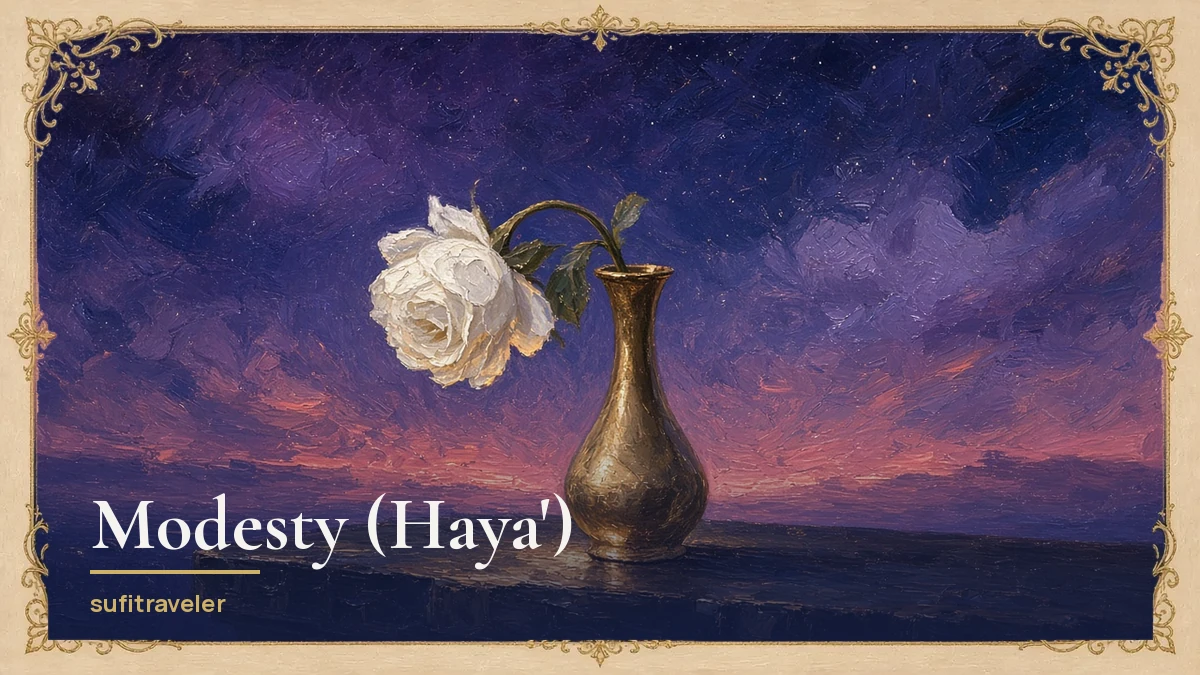
Haya’ (Modesty Before Allah) in Classical Sufi Teaching: What Qushayri’s Risala Says
Haya’ in Sufism is more than shyness. In the chapter on haya’ in his Risala, Abu al-Qasim al-Qushayri (d. 465…
-

Wara’ (Scrupulousness) in Classical Sufi Teaching: What Qushayri’s Risala Says
Wara’ in Sufism is the habit of stepping back from anything doubtful. Abu al-Qasim al-Qushayri (d. 465 AH) defines it…
-

Rida (Contentment) in Classical Sufi Teaching: What Qushayri’s Risala Says
Rida, or contentment, in Sufism is not a feeling of never being hurt. In the chapter on rida in his…
-
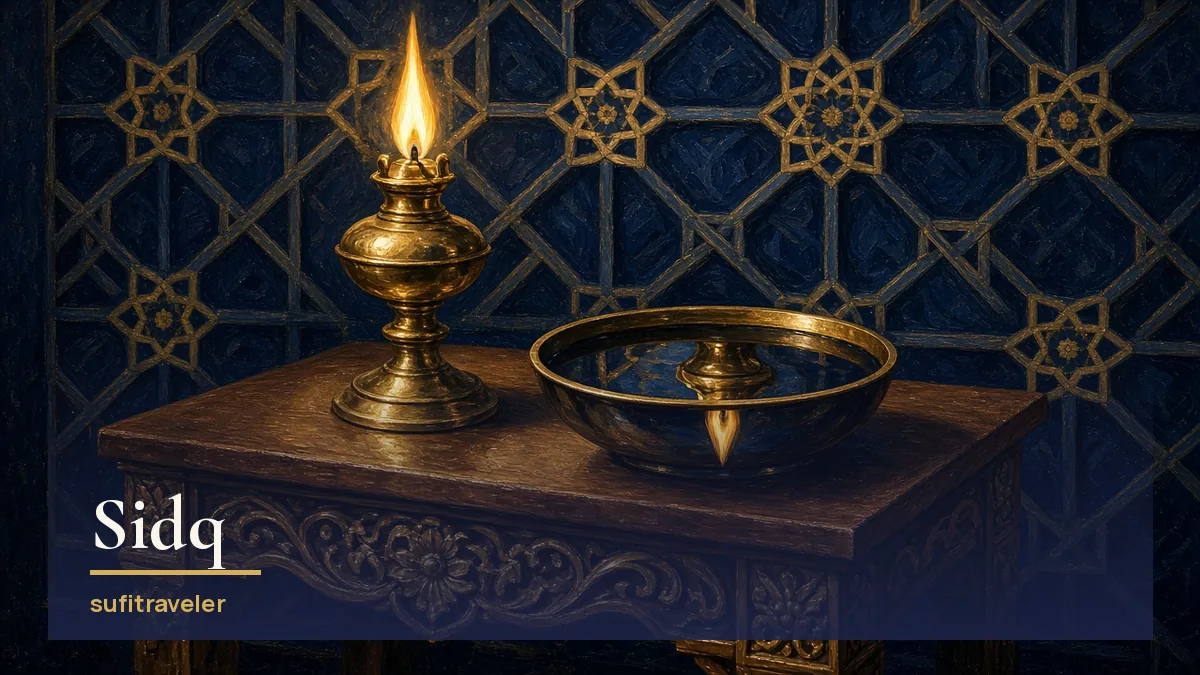
Sidq (Truthfulness) in Classical Sufi Teaching: Al-Ghazali’s Six Levels
What sidq (truthfulness) means in classical Sufi teaching, its Qur’anic and hadith roots, and al-Ghazali’s six levels of truthfulness from…
-

Fear and Hope (Khawf and Raja’) in Classical Sufi Teaching
How classical Sufi teachers described fear and hope (khawf and raja’) as two wings, with Qur’an verses, an authentic hadith…
-
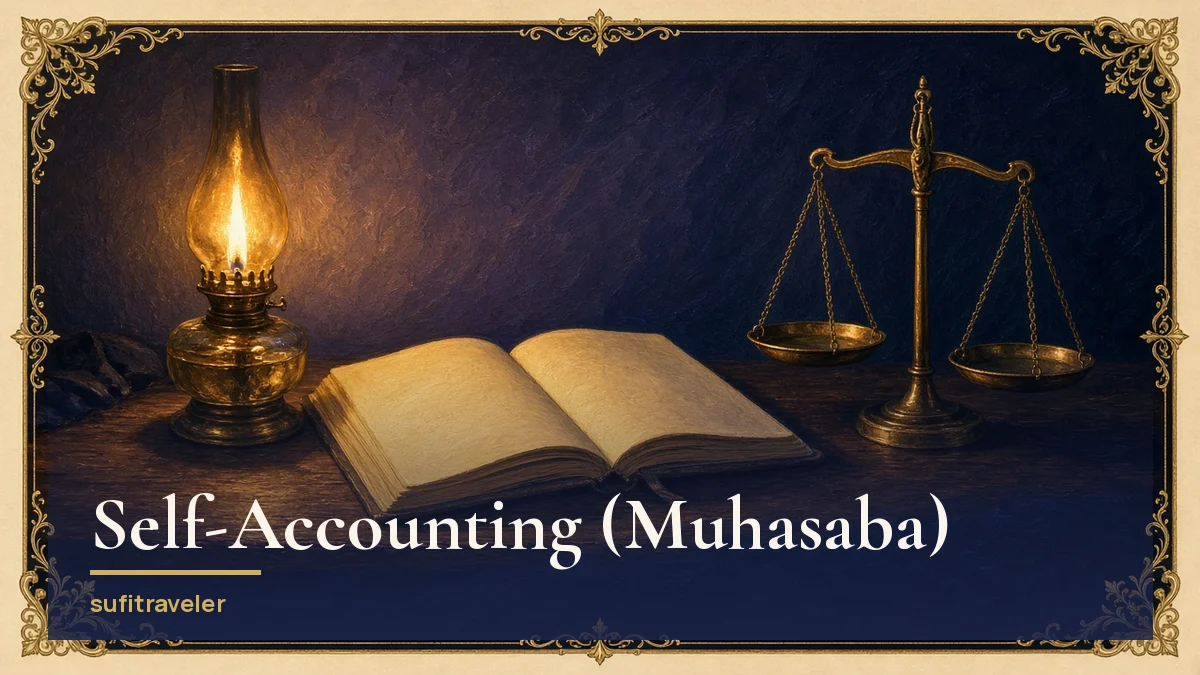
Muhasaba (Self-Accounting) in Classical Sufi Teaching
What muhasaba (self-accounting) means, its Qur’anic root, how al-Ghazali described reflection and introspection, and a calm nightly review to try.
-
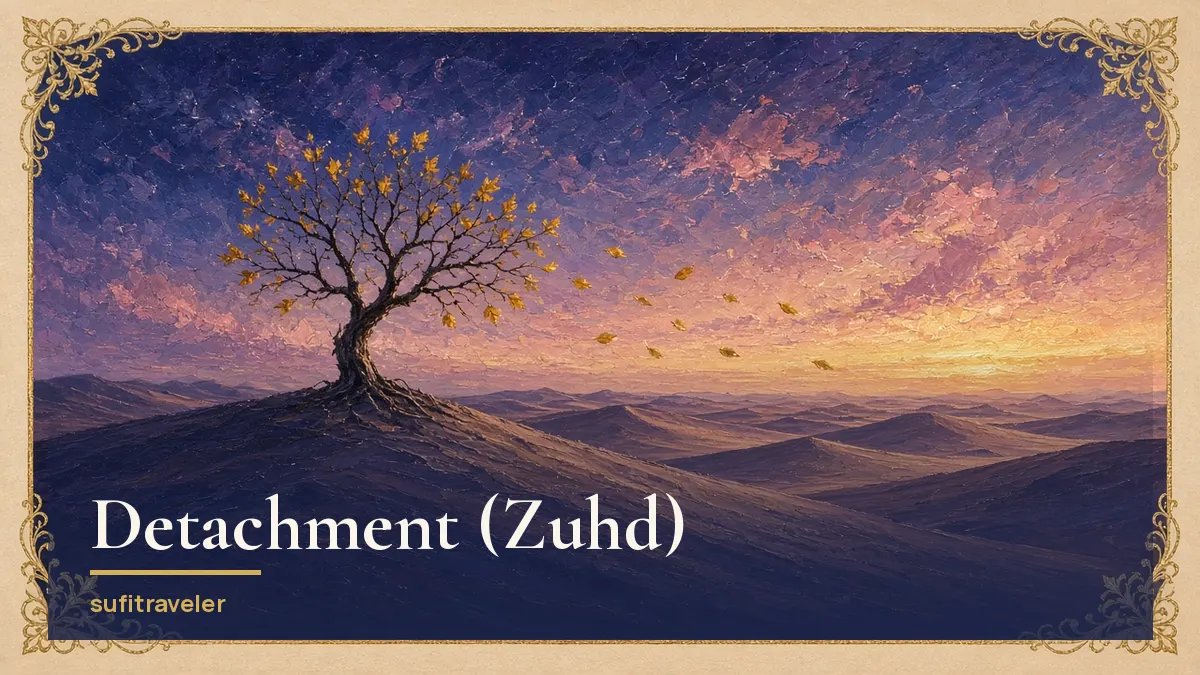
Zuhd (Detachment from the World) in Classical Sufi Teaching
Zuhd is often translated as asceticism, which can sound harsh or unrealistic for people with jobs and families. Classical teachers…
-

Good Character (Husn al-Khuluq) in Islamic Spiritual Teaching
In Islamic spirituality, inner states are tested in how we treat people. That is why classical teachers placed so much…
-

Ikhlas (Sincerity) in Classical Sufi Teaching
What ikhlas (sincerity) means, its roots in the Qur’an and the hadith of intentions, how al-Ghazali treated it, and gentle…
Reflections on the Sufi path — duas, wazifas, adab, and notes from classic books.
Note
This page is general educational content and not a religious ruling. Please consult a qualified scholar for guidance on specific practices.
Here you will find longer articles: remembrance and duʿā with references, character teachings from classical works, prophet and Qur’an stories told from the text, and careful series such as Signs of the Hour. Short prophetic reports also live in the Hadith Library. Newcomers can start from the home page map.
Every post is meant to be read with sources open. Qur’an lines show the Arabic and an In meaning rendering of our own, with a link to the verse. Hadith appear in reported speech, sahih or hasan only, with the collection, number and grade named, and the grading scholar named for reports outside Sahih al-Bukhari and Sahih Muslim. Our English is translated from the Arabic original, never copied from another translation.
We do not use weak narrations as proof, and we do not set dates for unseen matters. Prefer a few well-sourced pages over many unverified posts — and ask a qualified scholar for personal rulings.