Blog
-

Best Books on Sufism for Beginners: Six Classical Starting Points
The best books on Sufism for beginners: six classical works by Qushayri, Hujwiri, Ghazali, Jilani, Ibn Ata’illah and Rumi, and…
-

Muraqaba: Watchfulness and Awareness That God Sees You
What muraqaba means in classical Sufi teaching: watchfulness, the awareness that God sees you, its Quranic roots, and how it…
-
Islamic Mysticism: What It Is and What It Isn’t
What Islamic mysticism means in the classical sources: sincerity, remembrance and ihsan, plus common myths about Sufism that are not…
-

The People of Nuh and the Flood: How the Qur’an Tells the Story
How the Qur’an tells the Flood of Nuh’s people: the boarding of the Ark, the son who refused, the ship…
-

Only Allah Knows When the Hour Comes: Signs of the Hour, Part 1
What Islam teaches about the end of times: the Qur’an and a sahih hadith say only Allah knows when the…
-
The History and Origin of Sufism: From Early Ascetics to the Classical Masters
Where Sufism came from: early Muslim ascetics, the meaning of ihsan, Junayd’s Baghdad, and the classical manuals of Qushayri, Hujwiri…
-
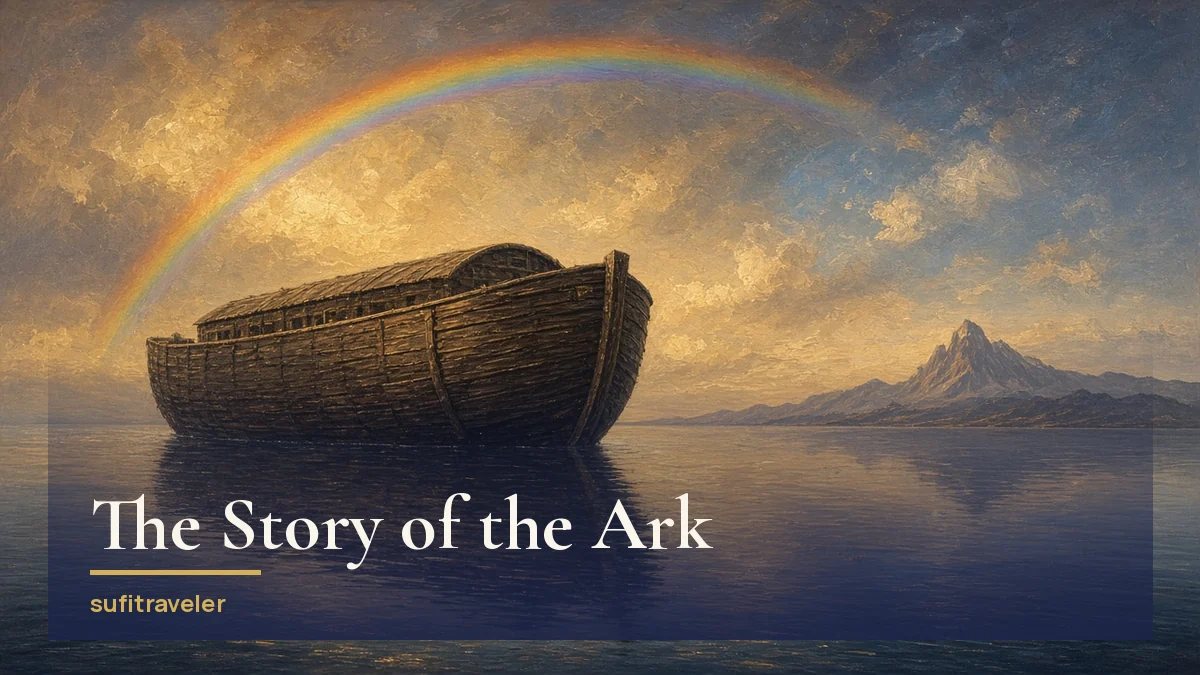
Prophet Nuh and the Ark: 950 Years of Calling His People to God
How the Qur’an tells of Prophet Nuh calling his people for 950 years, their mockery and the command to build…
-
What Is Sufism in Islam? Meaning, Roots and Practice of Tasawwuf
What is Sufism in Islam? A calm guide to tasawwuf: the meaning of the word, its roots in ihsan, purifying…
-

Prophet Idris in the Qur’an: Utterly Truthful, Patient and Lifted to a Lofty Place
What the Qur’an says about Prophet Idris in 19:56-57 and 21:85-86: utterly truthful, patient, lifted to a lofty place. With…
-
The Two Sons of Adam: The Qur’an’s Story of Envy and the Crow
The story of the two sons of Adam in the Qur’an: two offerings, one accepted, envy that led to murder…
Reflections on the Sufi path — duas, wazifas, adab, and notes from classic books.
Note
This page is general educational content and not a religious ruling. Please consult a qualified scholar for guidance on specific practices.
Here you will find longer articles: remembrance and duʿā with references, character teachings from classical works, prophet and Qur’an stories told from the text, and careful series such as Signs of the Hour. Short prophetic reports also live in the Hadith Library. Newcomers can start from the home page map.
Every post is meant to be read with sources open. Qur’an lines show the Arabic and an In meaning rendering of our own, with a link to the verse. Hadith appear in reported speech, sahih or hasan only, with the collection, number and grade named, and the grading scholar named for reports outside Sahih al-Bukhari and Sahih Muslim. Our English is translated from the Arabic original, never copied from another translation.
We do not use weak narrations as proof, and we do not set dates for unseen matters. Prefer a few well-sourced pages over many unverified posts — and ask a qualified scholar for personal rulings.