By Dr. Malik Sherjeel Awan, PsyD · Last checked 27 November 2026
Published by Dr. Malik Sherjeel Awan, Makkah
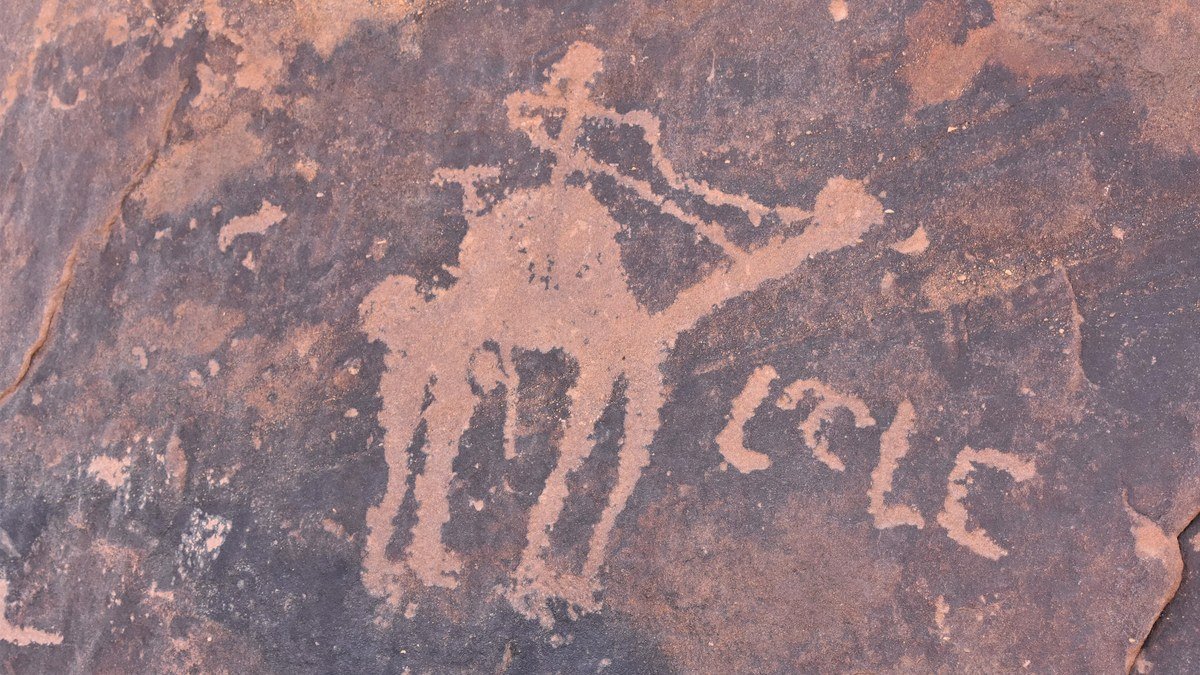
In 2015 UNESCO inscribed Rock Art in the Hail Region of Saudi Arabia. The property is not one hillside. It has two official components, in a desert landscape: Jabal Umm Sinman at Jubbah, and Jabal al-Manjor and Raat at Shuwaymis. This guide follows the official UNESCO listing and adds careful travel advice. Tour prices, permits and opening times change, so confirm them on official visitor channels before you set out.
For other official heritage sites, see Hegra in AlUla, Historic Jeddah (Al-Balad) and Al-Ahsa Oasis.
The two official components
According to the official UNESCO entry:
- Jabal Umm Sinman at Jubbah lies approximately 90 kilometres north-west of the city of Hail. A lake that once sat at the foot of the hill range, and has now disappeared, was a source of fresh water for people and animals in the southern part of the Great Nafud Desert. UNESCO says the ancestors of today’s Arab populations left numerous petroglyphs and inscriptions on the rock face here.
- Jabal Al-Manjor and Jabal Raat at Shuwaymis lie approximately 250 kilometres south of Hail. They form the rocky escarpment of a wadi now covered in sand, with numerous representations of human and animal figures that UNESCO attributes to almost 10,000 years of human history.
UNESCO describes the two components together as containing the biggest and richest rock-art complexes in the Kingdom and the wider region. The official text also notes that desertification from the mid-Holocene changed the local environment and patterns of settlement, and that those changes are expressed in the panels and inscriptions.
UNESCO notes that the petroglyphs were made using a range of techniques with simple stone hammers, against a background of gradual environmental change, and calls them visually stunning expressions of human creative genius.
Travelling through the land, and looking carefully
The listing describes a long record of people, animals, water and a drying landscape. It does not link the makers of the panels to any particular nation named in the Qur’an, and neither do we.
The Qur’an does invite the reader to travel through the land and to look with care: “Travel through the land and observe how He began creation” (29:20, Sahih International). That is a general invitation, not a tourist caption for Jubbah or Shuwaymis. It is enough, on a visit, to look slowly, to leave the rock unmarked, and to remember that earlier people left traces in this desert long before any of us arrived.
Why the listing asks for care
The official statement of authenticity says the petroglyphs have retained their original location, setting, materials, form and design. The listing also says the sites are generally in a good state of conservation, but records vulnerabilities: some threats from vandalism, development in the buffer zone, and a lack of preparedness for more tourism in future. UNESCO adds that there are on-site staff and site guards at both components.
For a visitor, those official warnings translate into simple rules, whether or not a local sign repeats them:
- do not touch, chalk, scratch or “refresh” a carving
- do not pour water on a panel to make a photograph darker
- do not climb on inscribed faces
- stay on any official path or viewing area
- take photographs without a tripod leg set on the rock if staff ask you not to
- take nothing away, including loose stone
Unlike Hegra, where official AlUla pages spell out an organised-tour rule, we could not find a published official visitor handbook for Jubbah or Shuwaymis. That is a reason to be more careful, not less: check official heritage, Visit Saudi or regional visitor channels before you set out, follow the instructions of site staff, and do not follow an unofficial off-road pin on a map as if it were a park entrance.
Planning the journey
Hail is the regional city named in the official title. The two components are far from each other: about 90 kilometres north-west, and about 250 kilometres south, in UNESCO’s figures. They are not a single morning loop unless an official operator can show you that it is possible and permitted.
Practical points:
- confirm official access, any guide requirement, and seasonal closures before you travel
- use a licensed driver or official tour if one is offered; desert tracks are not a casual rental-car experiment
- carry more water than you think you need, shade, and a full fuel plan if you are travelling between towns
- tell someone your route, and do not count on a phone signal at the rock
- start in daylight, and avoid driving at night on unsigned desert roads
Official weather and civil-defence notices, when they are issued, take priority over a travel plan. Sand, heat and sudden poor visibility are ordinary risks in this landscape. If an official site is closed, do not treat a gap in a fence as an invitation.
If overnight stays are offered through official lodgings or official operators, use those. Do not camp against an inscribed cliff.
Seeing the art without harming it
From official viewpoints, look first for the setting: a former lake margin at Jubbah, a sand-filled wadi at Shuwaymis, and then for the density of figures the listing describes. Give yourself time. Rock art rewards slow looking more than a rushed list of “must-see” panels.
If an official guide is present, stay with the group. A guide who tells you to keep off a panel is protecting the official outstanding value of the place, not spoiling a photograph.
FAQ
Are Jubbah and Shuwaymis the same site?
They are two components of one UNESCO property. UNESCO gives different locations and landscapes for each.
How old is the rock art?
UNESCO attributes the many petroglyphs and inscriptions at Shuwaymis to almost 10,000 years of human history. It does not give a single date.
Can I visit without a guide?
We could not find a published official rule on this. UNESCO notes that there are on-site staff and guards at both sites, so check official visitor channels before you go and follow staff instructions. Do not assume open desert is open access.
May I make a rubbing or pour water on a carving?
No. Official conservation notes already flag vandalism as a vulnerability. Do not touch or wet the panels.
Related reading
General visitor information only. Official UNESCO and official visitor channels take priority. This is not a booking service, not an off-road guide, and not a religious ruling.
Sources
- UNESCO World Heritage Centre, Rock Art in the Hail Region of Saudi Arabia, inscribed 2015, re-read 27 November 2026: https://whc.unesco.org/en/list/1472/
- UNESCO list of World Heritage properties in Saudi Arabia, opened 22 November 2026: https://whc.unesco.org/en/statesparties/sa/
- Qur’an 29:20, Sahih International, opened 25 November 2026: https://quran.com/29/20
Photo: petroglyphs at the Jubbah rock art site, by Richard Mortel via Wikimedia Commons, licensed CC BY 2.0 (cropped).