This page gathers stories from the Islamic and Sufi tradition, drawn from the Qur’an, the lives of the prophets and the classical books of the path. They are retold in words only, for reflection and remembrance, without any depiction of the prophets or the righteous.
Stories of the Prophets in the Qur’an
The Qur’an tells the stories of the prophets for a reason, and it gives that reason itself: “And each [story] We relate to you from the news of the messengers is that by which We make firm your heart” (Qur’an 11:120). Of these narratives it says, “There was certainly in their stories a lesson for those of understanding” (Qur’an 12:111).
Below is the index for our Stories of the Prophets series. It lists the 25 prophets named in the Qur’an in the order they are traditionally presented, with key verse references for each so you can read the passages yourself.
New this week
A new story or dua page is added each morning. Titles become links as soon as each one is published.
- Sat 21 Nov: Prophet Ayyub: Story, Lessons and Dua
- Sun 22 Nov: Dua of Musa: Rabbi Ishrah Li Sadri (20:25-28) Word by Word
- Mon 23 Nov: Sabr Jamil: Prophet Ya'qub's Beautiful Patience (12:18, 12:83, 12:86)
- Tue 24 Nov: Dua of Adam: Rabbana Zalamna Anfusana (7:23) Word by Word
- Wed 25 Nov: Prophet Sulayman and the Ant: Story, Lessons and Dua (27:15-19)
- Thu 26 Nov: Dua of Zakariyya: Three Qur'anic Prayers for a Righteous Child
- Fri 27 Nov: Prophet Musa's Birth: His Mother, the River and Allah's Promise
Before you begin: three notes
- Not every prophet is named. The Qur’an says: “Among them are those [whose stories] We have related to you, and among them are those [whose stories] We have not related to you” (Qur’an 40:78). The 25 below are those named in the Qur’an.
- The order is traditional, not exact. The sequence most teachers use roughly follows history, but the Qur’an doesn’t give a complete timeline, and the placement of some prophets (such as Idris, Dhul-Kifl and Ayyub) is discussed by scholars.
- Verse references are starting points. Many stories appear in several surahs, each highlighting a different lesson. We list key passages, not every mention.
Where scholars differ, for example on whether Dhul-Kifl was a prophet or a righteous man, we note it. Majority views are presented, and it’s always worth consulting a scholar.
The prophets named together
Two passages list many prophets together:
- Qur’an 6:83–86 names Ibrahim, Ishaq, Yaqub, Nuh, Dawud, Sulayman, Ayyub, Yusuf, Musa, Harun, Zakariyya, Yahya, Isa, Ilyas, Ismail, Al-Yasa’, Yunus and Lut.
- Qur’an 4:163 names Nuh, Ibrahim, Ismail, Ishaq, Yaqub, Isa, Ayyub, Yunus, Harun, Sulayman and Dawud.
The series index
| # | Prophet | Key Qur’an passages | Our story |
|---|---|---|---|
| 1 | Adam | 2:30–39; 7:11–25; 20:115–123 | Prophet Adam · Iblis and Adam · The two sons of Adam · Dua of Adam (7:23) |
| 2 | Idris | 19:56–57; 21:85 | Prophet Idris |
| 3 | Nuh (Noah) | 11:25–49; 71 (Surah Nuh) | Prophet Nuh and the Ark · The people of Nuh |
| 4 | Hud | 7:65–72; 11:50–60 | ‘Ad and the furious wind |
| 5 | Salih | 7:73–79; 11:61–68 | Prophet Salih and the she-camel · Thamud who hamstrung the camel |
| 6 | Ibrahim (Abraham) | 2:124–131; 6:74–83; 14:35–41; 21:51–73; 37:83–113 | Why did Ibrahim break the idols? · Prophet Ibrahim: Life, Trials and Legacy |
| 7 | Lut (Lot) | 7:80–84; 11:77–83; 29:26 | Coming soon |
| 8 | Ismail (Ishmael) | 2:127–129; 19:54–55; 37:100–107 | Hajar and the Well of Zamzam · The sacrifice of Ismail |
| 9 | Ishaq (Isaac) | 11:71; 37:112–113 | Coming soon |
| 10 | Yaqub (Jacob) | 2:132–133; Surah Yusuf (12) | Sabr Jamil: Ya’qub’s beautiful patience |
| 11 | Yusuf (Joseph) | Surah Yusuf (12), which the Qur’an calls “the best of stories” (12:3) | Prophet Yusuf: The Most Beautiful of Stories |
| 12 | Ayyub (Job) | 21:83–84; 38:41–44 | Prophet Ayyub: story, lessons and dua |
| 13 | Shu’ayb | 7:85–93; 11:84–95 | Coming soon |
| 14 | Musa (Moses) | 20:9–98; 28:3–46; 18:60–82 (with al-Khidr) | Musa’s birth and his mother · Dua of Musa: Rabbi ishrah li sadri |
| 15 | Harun (Aaron) | 20:29–36; 20:90–94 | Coming soon |
| 16 | Dhul-Kifl | 21:85–86; 38:48 (majority view: a prophet; some scholars hold he was a righteous man) | Coming soon |
| 17 | Dawud (David) | 21:78–80; 34:10–11; 38:17–26 | Coming soon |
| 18 | Sulayman (Solomon) | 27:15–44; 34:12–14; 38:30–40 | Sulayman and the ant |
| 19 | Ilyas (Elias) | 6:85; 37:123–132 | Coming soon |
| 20 | Al-Yasa’ (Elisha) | 6:86; 38:48 | Coming soon |
| 21 | Yunus (Jonah) | 10:98; 21:87–88; 37:139–148; 68:48–50 | The dua of Yunus (21:87): a reflection |
| 22 | Zakariyya (Zechariah) | 3:37–41; 19:2–11 | Dua of Zakariyya |
| 23 | Yahya (John) | 3:39; 19:12–15 | Coming soon |
| 24 | Isa (Jesus) | 3:45–59; 19:16–36; 5:110–118 | Coming soon |
| 25 | Muhammad ﷺ | 33:40 (“the Messenger of Allah and seal of the prophets”); 48:29; 3:144 | Coming soon |
How to read these stories
Classical teachers often read the prophets’ stories as mirrors: Adam teaches repentance, Nuh patience, Ibrahim trust, Yusuf forgiveness, Ayyub endurance and Yunus turning back to Allah. That’s a helpful way in, but let the text lead. A simple method:
- Read the passage in a trusted translation, ideally alongside the Arabic.
- Read it again in a second surah where the same prophet appears, and notice what changes.
- Ask one question: what does this teach me about Allah, and about myself?
- Check a mainstream tafsir before drawing conclusions, especially on details the Qur’an doesn’t spell out.
A note on storytelling and the heart
As a psychologist, I’m struck by how the Qur’an uses story to steady people rather than just inform them. The verse quoted at the top is addressed to the Prophet ﷺ in a hard time: these stories were told to make firm the heart. Many readers find the same. When life feels heavy, reading how a prophet held on can do more than an abstract reminder.
About this series
Each story in the series:
- quotes the Qur’an with surah:ayah references
- uses hadith only from Sahih al-Bukhari or Sahih Muslim, with the collection and number
- presents the mainstream understanding and notes where scholars differ
- avoids unverified narrations
New stories are added regularly. This index will be updated as each one is published.
All stories
-
Dua of Musa: Rabbi Ishrah Li Sadri (20:25-28) Word by Word
Prophet Musa’s dua from Surah Ta-Ha 20:25-28 in Arabic with transliteration, word-by-word meaning, and the moment he said it before…
-

Prophet Ayyub: Story, Lessons and Dua
The story of Prophet Ayyub (Job) from the Qur’an and Sahih al-Bukhari: his dua ‘adversity has touched me’, his patience,…
-
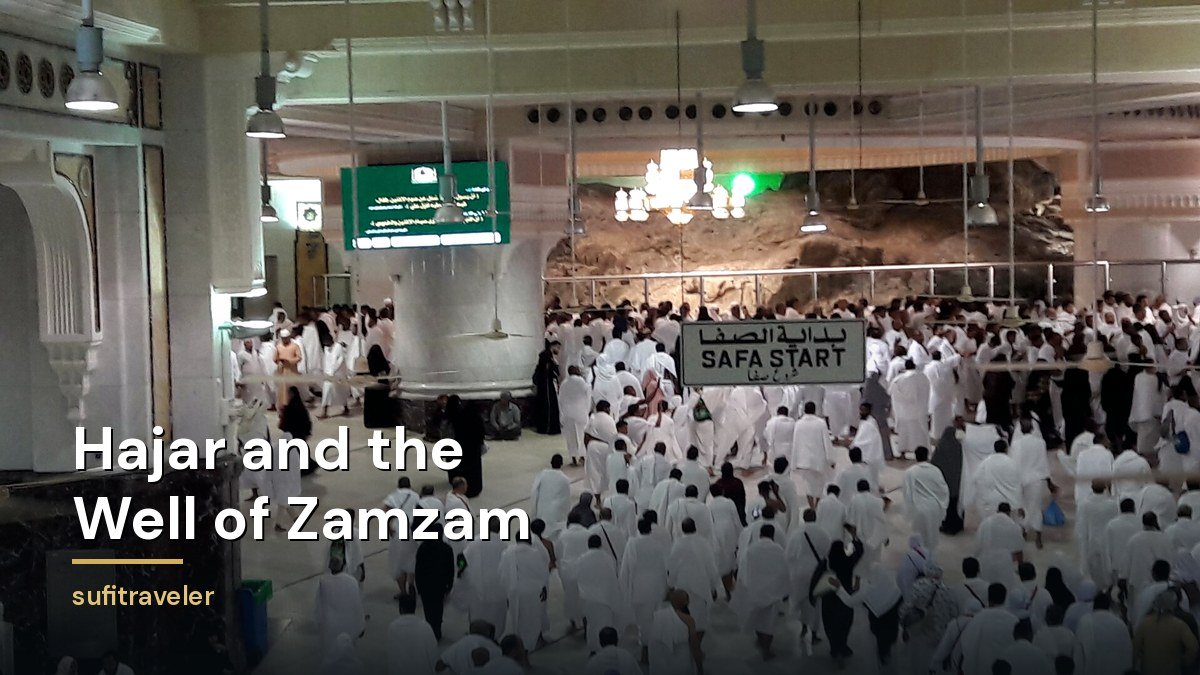
Hajar and the Well of Zamzam
The story of Hajar and Zamzam from Sahih al-Bukhari and the Qur’an: the valley of Makkah, her run between Safa…
-
Prophet Yusuf: The Most Beautiful of Stories
The story of Prophet Yusuf from Surah Yusuf: the dream, the well, the test, prison, the storehouses and forgiveness, with…
-
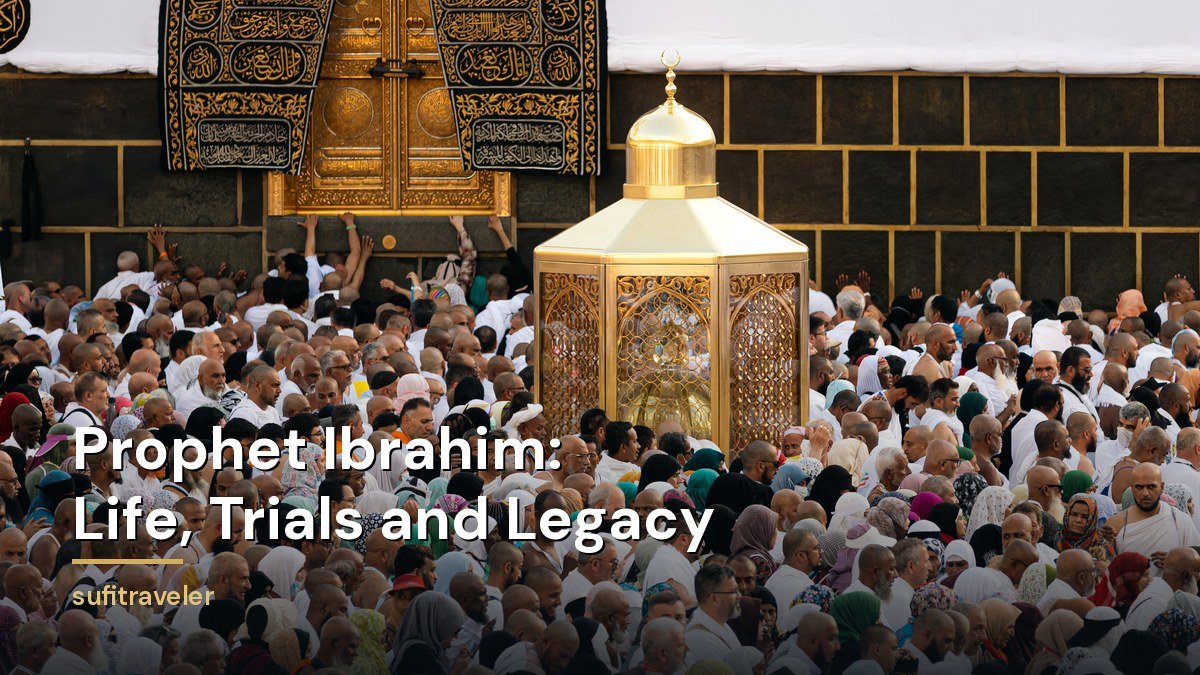
Prophet Ibrahim: Life, Trials and Legacy
Prophet Ibrahim’s story from the Qur’an: his search for truth, the fire, Hajar and Ismail, the sacrifice, building the Kaaba…
-
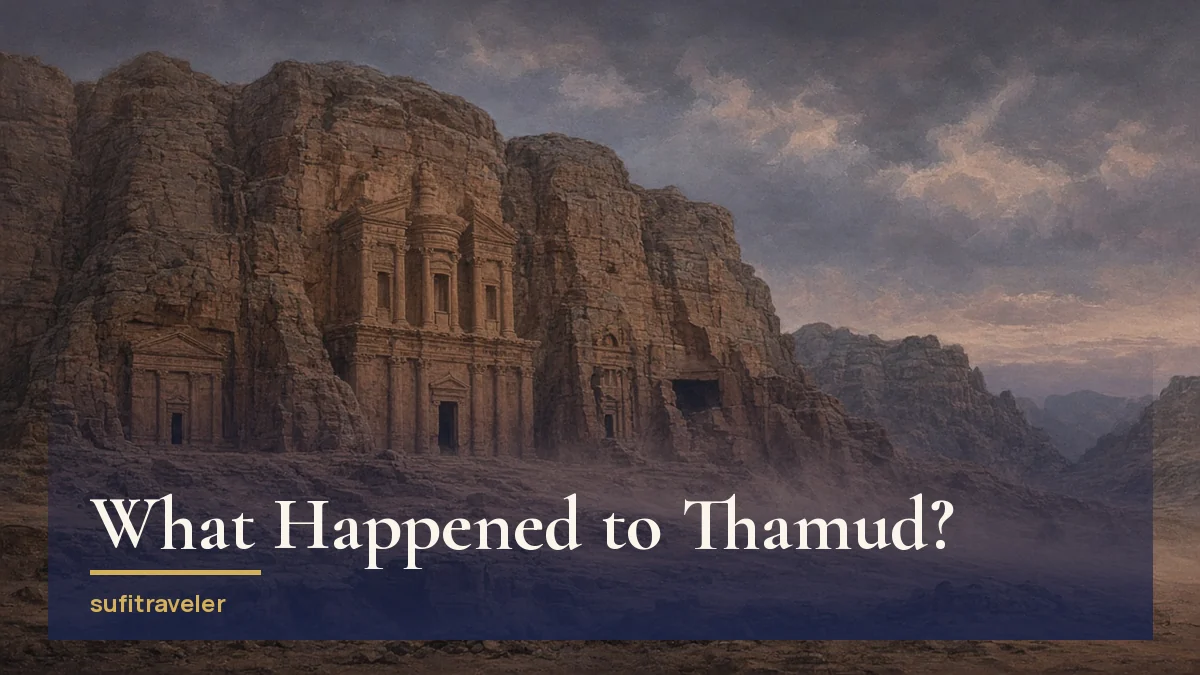
Thamud and the She-Camel: What Happened to Them?
What happened to Thamud after they hamstrung the she-camel? The plot, the three days, the blast and the Prophet’s ﷺ…
-

‘Ad and the Furious Wind: Seven Nights and Eight Days in the Qur’an
In our last story, the Prophet Hud, peace be upon him, called the people of ‘Ad to God, and they…
-

Prophet Salih and the She-Camel: Why Was It a Test?
Who was Prophet Salih, and why was the she-camel a test for Thamud? His call, their doubts and the sign…
-

The People of Nuh and the Flood: How the Qur’an Tells the Story
How the Qur’an tells the Flood of Nuh’s people: the boarding of the Ark, the son who refused, the ship…
-
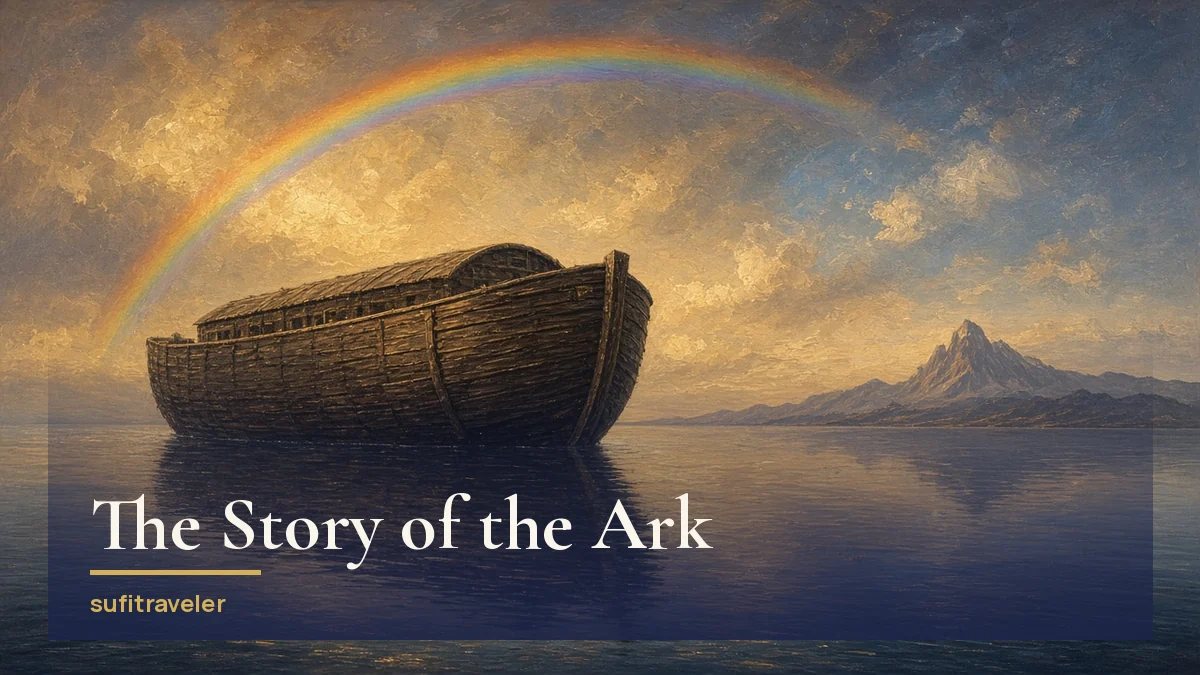
Prophet Nuh and the Ark: 950 Years of Calling His People to God
How the Qur’an tells of Prophet Nuh calling his people for 950 years, their mockery and the command to build…
-

Prophet Idris in the Qur’an: Utterly Truthful, Patient and Lifted to a Lofty Place
What the Qur’an says about Prophet Idris in 19:56-57 and 21:85-86: utterly truthful, patient, lifted to a lofty place. With…
-
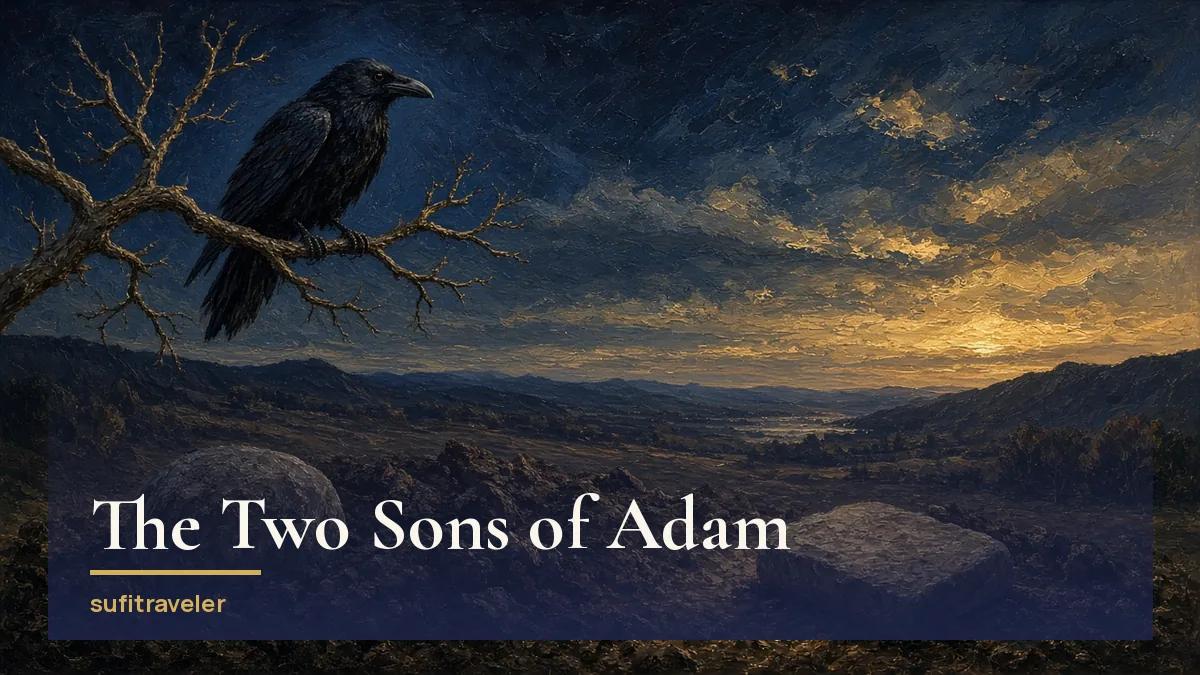
The Two Sons of Adam: The Qur’an’s Story of Envy and the Crow
The story of the two sons of Adam in the Qur’an: two offerings, one accepted, envy that led to murder…
FAQ
How many prophets are named in the Qur’an? Twenty-five are commonly counted, as listed above. The Qur’an says there were others whose stories were not related (40:78).
Which story does the Qur’an call “the best of stories”? Qur’an 12:3 uses the phrase at the opening of Surah Yusuf.
Is this list in exact historical order? No. It follows the traditional teaching order, and the timing of some prophets is discussed by scholars.
Sources
- Qur’an (Sahih International translation via quran.com), verse references as listed in the table; verses spot-checked through api.quran.com on 15 Nov 2026: 4:163, 6:83–86, 11:120, 12:3, 12:111, 40:78, 2:30, 7:11, 19:56, 21:85, 71:1, 7:65, 7:73, 2:124–127, 7:80, 19:54, 37:112, 2:133, 12:4, 21:83, 38:41, 7:85, 20:9, 20:30, 38:48, 34:10, 27:15, 37:123, 37:139, 21:87, 19:2, 19:12, 3:45, 33:40, 48:29
- Index updated 20 Nov 2026 with the week’s schedule; each article carries its own checked list of Qur’an references and Sahih al-Bukhari / Sahih Muslim hadith numbers.
- quran.com